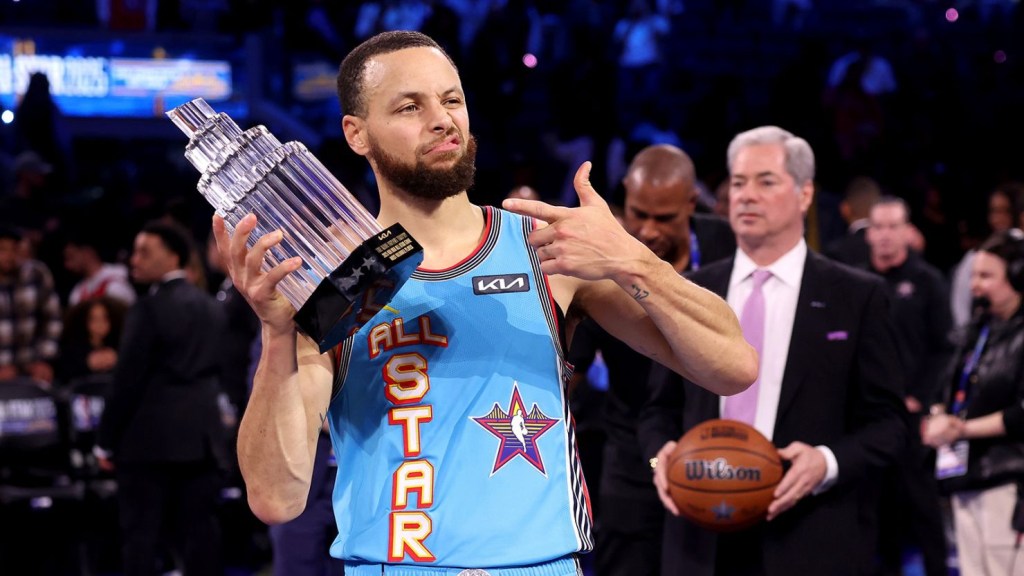
The NBA All-Star Game has become a shadow of its former self. What was once a showcase of the league’s best and brightest has devolved into a lackluster exhibition, where defense is optional and excitement is often absent. While the NBA searches for answers – recent whispers of a potential 1-on-1 tournament featuring All-Stars signal a desire for change – the league risks falling further behind. This year, the NHL opted for a bold move, replacing its traditional All-Star Game with the exciting Four Nations Face-Off tournament. Early returns are in, and the NHL appears to have knocked it out of the park. The U.S.-Canada game averaged a staggering 4.4 million viewers on ABC, peaking at 5.2 million, according to ESPN. As Front Office Sports reported, this marks the most-viewed non-Stanley Cup Final hockey broadcast since 2019, a 369% jump from the NHL on ABC’s season average. This surge in viewership proves that fans crave high-stakes competition, not just friendly exhibitions. The NBA needs to take note, and fast. With the NHL demonstrating the potential of a revamped All-Star format and the NBA’s own television ratings potentially lagging behind other major sporting events (like the Daytona 500, for example), the league can no longer afford to ignore the growing apathy surrounding its All-Star weekend. Tinkering around the edges isn’t enough. The NBA needs a radical reimagining of its All-Star break, a complete overhaul that reignites fan interest and provides a platform for both established stars and rising talent. This article proposes a bold solution: replacing the traditional All-Star Game with two electrifying tournaments: an Elite Twelve tournament featuring the league’s top teams and a G League tournament showcasing the stars of tomorrow. This two-pronged approach promises to inject much-needed excitement into the February basketball calendar, creating a must-watch spectacle that celebrates the best of both the NBA and G League.
The Two-Tiered Tournament System
The centerpiece of this revitalized All-Star experience is a groundbreaking, two-tiered tournament system. This multi-tiered competition, spanning two weeks in February, features a revolutionary format that incorporates all 30 NBA teams and all 31 G League teams, culminating in an Elite Twelve NBA playoff and a G League championship. This expanded format not only showcases the league’s top talent but also provides a platform for rising stars and adds a new level of excitement to the regular season.
Expanded Group Play:
- NBA:
- Group Formation: The 30 NBA teams are randomly drawn into six groups of five within their respective conferences. This random draw adds an element of unpredictability and excitement to the group stage.
- Cup Nights: Each team plays four designated “Cup Nights” games against the other teams in its group – two games at home and two on the road. These games are integrated into the regular season schedule, ensuring that every game has implications for both the Elite Twelve Tournament and the regular season standings.
- Top Teams Advance: The top two teams from each group, based on their “Cup Nights” records, advance to the Elite Twelve Tournament. This creates a competitive environment where every game matters, as teams fight for a spot in the knockout rounds.
- G League:
- Group Formation: The 31 G League teams are randomly drawn into six groups – five groups of five teams and one group of six teams. This ensures that all teams have an equal opportunity to compete.
- Cup Nights: Each team plays four designated “Cup Nights” games against the other teams in its group – two games at home and two on the road. These games would ideally be integrated into the G League’s regular season schedule, adding extra excitement and importance to these matchups.
- Top Teams Advance: The top two teams from each group, based on their “Cup Nights” records, advance to the G League knockout rounds. This creates a competitive environment where every game matters, as teams fight for a spot in the next stage.
Cary Edmondson-Imagn Images
The Schedule:
This innovative tournament structure unfolds over two thrilling weeks:
- Elite Twelve Week
- Saturday: G League Round 1 (Top 16 teams from group play)
- Sunday: NBA Elite Twelve Round 1 (8 teams, with the top 4 teams receiving byes based on group play standings)
- Monday: G League Round 2 (8 teams, including the 4 teams with byes)
- Tuesday: NBA Elite Twelve Round 2 (8 teams, including the 4 teams with byes)
- Wednesday: G League Final Four
- Thursday: NBA Elite Twelve Final Four
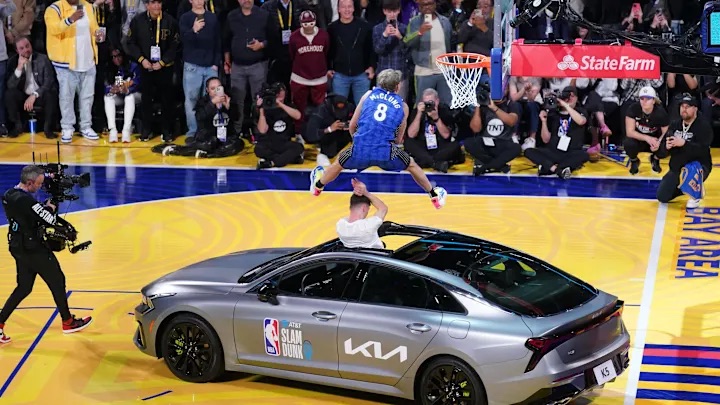
- Friday: Celebrity Game Night, 3-Point Contest, Dunk Contest
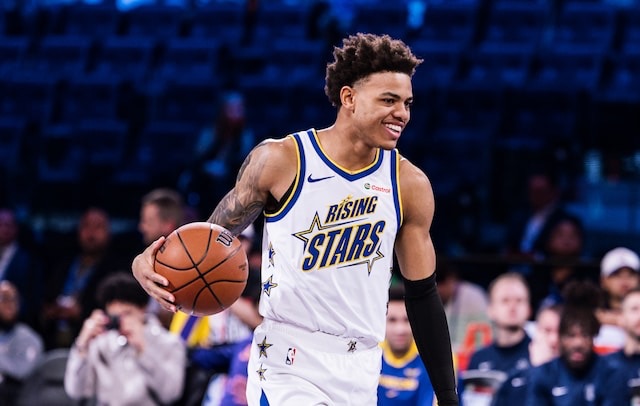
- Saturday: Rising Stars vs. World, 1v1 NBA Player Tournament (with a $5 million prize pool! 2.5m to the player and 2.5m to the charity of their choice!)
- Sunday: Championship Games (G League and NBA Elite Twelve)
Why This Works:
- High Stakes: The $2 million prize for the NBA Elite Twelve and home-court advantage in the Finals provide real incentives for players and teams to compete.
- Competitive Games: With regular season implications and a single-elimination format, every game matters.
- Fan Engagement: The tournament structure, combined with the skills challenges and the 1v1 tournament, creates a week-long basketball extravaganza that will captivate fans.
- G League Spotlight: Integrating the G League tournament showcases rising stars and adds another layer of excitement.
Addressing the Challenges
This ambitious plan is not without its challenges. Here’s how to address them:
- Scheduling: The NBA can ensure a smooth transition to this new format by implementing the following:
- Guaranteed Games: All 30 teams will play games during the two-week tournament period. Teams that don’t qualify for the Elite Twelve will play three games against other non-qualifying teams within their conference. This ensures that no team loses revenue or fan interest due to a lack of games.
- Universal Break: All players will have the week following the tournament off, regardless of whether their team participated in the Elite Twelve. This guarantees adequate rest and prevents any competitive imbalance.
- Front-Loaded Schedules: Similar to the NHL’s approach, the schedules of teams involved in the Elite Twelve could be front-loaded to accommodate the tournament, ensuring a balanced distribution of games throughout the season.
- Player Fatigue: A longer tournament with more games raises concerns about player fatigue. The NBA could address this by:
- Financial Implications: While the guaranteed games system mitigates some financial concerns, the NBA could further address potential revenue loss by:
- Compensating teams based on the average revenue from the regular-season games replaced by the tournament.
- Offering teams a percentage of the revenue generated by the tournament through broadcasting rights and sponsorships.
Conclusion
The NBA All-Star Game, once a highlight of the basketball calendar, has lost its luster. The current format, plagued by a lack of competition and declining fan interest, needs a drastic overhaul. The proposed two-tournament system – featuring an Elite Twelve NBA tournament and a G League tournament – offers a bold and innovative solution. This format would inject excitement into the All-Star break, create meaningful competition with significant rewards, and showcase both established stars and rising talent. While challenges exist, the potential rewards are significant. By embracing innovation and prioritizing fan engagement, the NBA can revitalize its All-Star experience and ensure its continued success for years to come. The time for change is now. The NBA has a chance to not only revitalize its All-Star showcase but also to redefine the future of basketball. By embracing this bold, new format, the league can create a truly engaging experience that celebrates the sport, its players, and its fans.


 Bear Sports News
Leave a comment