
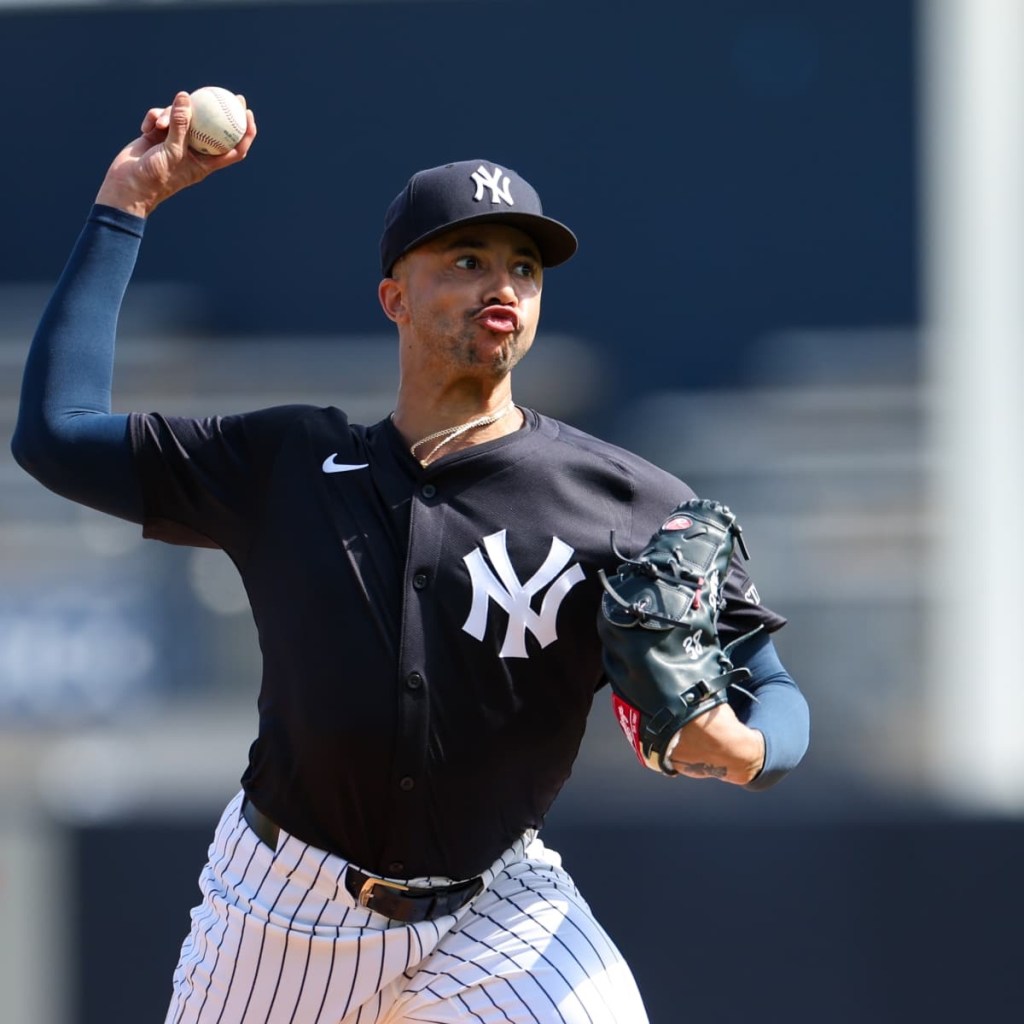
For over half a century, the New York Yankees’ rigid facial hair policy has been as much a part of the team’s identity as their pinstripes. A clean-shaven look was not just encouraged, it was mandated, a tradition upheld through generations of players. But as the game – and the culture surrounding it – evolved, the Yankees’ policy remained stubbornly fixed. That is, until today. Just days before the Yankees kicked off their spring training schedule, the team announced that ownership had finally decided to update its long-standing facial hair policy. While some, like star slugger Aaron Judge, might not be rushing to grow a full beard, the shift is already visible. Newly acquired pitcher Devin Williams, known for his distinctive facial hair, arrived at spring training sporting a nearly clean-shaven look, a clear sign of the policy’s influence. Now, with the updated regulations officially in place, the baseball world is watching closely to see how this change will impact the team’s dynamic and the players’ expressions of individuality. This article will delve into the history of the Yankees’ facial hair policy, and explore the years of internal discussions that led to this pivotal moment.
A Clean Shave: The History of the Yankees’ Policy
The story of the Yankees’ strict grooming policy begins, fittingly, with George Steinbrenner. Newly arrived in the Bronx in the early 1970s, Steinbrenner, still unfamiliar with his team’s roster, surveyed his players lined up on the first base line. What he saw didn’t sit well with him. Unkempt mustaches, long hair, and a general lack of what he considered a professional appearance prompted “The Boss” to take action. He famously scribbled a note on a scrap of paper, listing the numbers of several players – Sparky Lyle, Thurman Munson, Bobby Murcer, Fritz Peterson, and Roy White – and instructed manager Ralph Houk to tell them to get haircuts.
This seemingly small act marked the beginning of a tradition that would last for decades. Steinbrenner’s vision of a clean-cut, disciplined team extended beyond just haircuts. Soon, the policy, as detailed in the team’s player manual, expanded to include a ban on facial hair, with the exception of neatly trimmed mustaches. “All players, coaches and male executives are forbidden to display any facial hair other than mustaches [except for religious reasons], and scalp hair may not be grown below the collar,” the manual stated. “Long sideburns and mutton chops are not specifically banned.” This wasn’t just about aesthetics; Steinbrenner, whose background included Culver Military Academy and service as a second lieutenant in the United States Air Force, believed that a polished appearance translated to a more focused and respectful team, projecting an image of professionalism both on and off the field. “I have nothing against long hair per se,” Steinbrenner told The New York Times in 1978, “but I’m trying to instill a certain sense of order and discipline in the ballclub, because I think discipline is important in an athlete.”
However, the players didn’t immediately embrace the new rules. Many chafed at the restrictions, feeling that it was an unnecessary intrusion on their personal expression. Some, like Sparky Lyle, initially resisted the change, sporting a defiant mustache that pushed the boundaries of the new policy. The clash between Steinbrenner’s traditional views and the players’ desire for individuality created a tension that simmered beneath the surface for years. The story of Oscar Gamble, who arrived at his first spring training with the team in 1976 only to be told he’d get his uniform after trimming his 10-inch Afro, exemplifies this. Even star players like Don Mattingly, whose mullet became a point of contention in 1991, weren’t immune to the policy’s reach. As Mattingly fumed, he was “overwhelmed by the pettiness of it” when manager Stump Merrill benched and fined him for refusing to trim his hair.
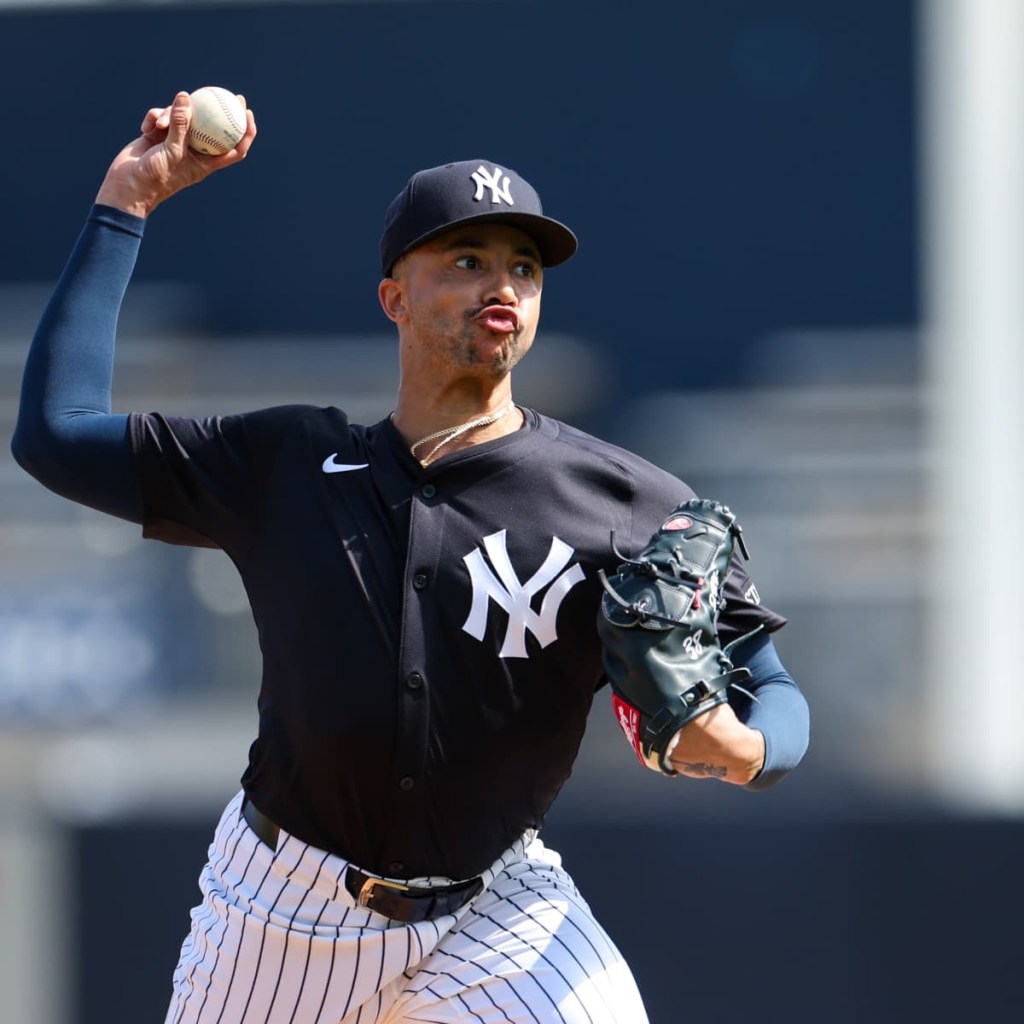
While most players eventually complied, the policy remained a point of contention, a symbol of the sometimes-contentious relationship between ownership and the team. From Jason Giambi to Johnny Damon to Clint Frazier and Gerrit Cole, who famously said, “That’s the way it is. If you’re a Yankee, you shave. That’s what’s up,” the policy has remained intact. Steinbrenner passed away in 2010, and enforcement of the code is now largely handled by Jennifer Steinbrenner Swindal, the club’s vice-chairperson. As long as the Steinbrenner family retains ownership of the franchise, its players have maintained their appearance per The Boss’ wishes.
The Winds of Change: What Prompted the Update?
For years, the Yankees’ facial hair policy seemed immutable, a cornerstone of the franchise’s identity. Yet, behind the scenes, the winds of change were stirring. While the exact details of the internal discussions remain private, several factors appear to have contributed to the ownership’s decision to finally update the policy. The most prominent catalyst seems to be newly acquired pitcher, Devin Williams. Upon his arrival at spring training, Williams, known for his distinctive and rather substantial beard, appeared with a nearly clean-shaven face, a clear indication of the existing policy’s continued influence. However, Williams subsequently met with team owner Hal Steinbrenner. While the specifics of their conversation haven’t been released, it’s widely speculated that Williams played a significant role in the policy review. It’s also understood that Williams wasn’t the only one to discuss the policy with Steinbrenner. Several former Yankees also weighed in, adding their voices to the growing sentiment that the policy was outdated. While the specifics of these conversations remain private, their collective input likely played a significant role in Steinbrenner’s decision to reconsider the long-standing rule.
Beyond the Williams situation and the influence of former players, it’s likely that a confluence of factors influenced the decision. The move comes as a shock to many, as the Yankees have been so strict about this for so long. It’s possible that ownership recognized the evolving landscape of professional sports, where individuality and self-expression are increasingly embraced. The rigid policy, once seen as a symbol of discipline, may have begun to feel outdated and out of touch. Perhaps the organization recognized the potential for alienating players or even impacting free-agent signings. As Williams himself commented regarding the policy and its impact on free agency, “I think it’s definitely something guys think about,” he said. This acknowledgment underscores the potential impact of the policy on player recruitment.
The changing attitudes of players themselves likely played a role. While previous generations of Yankees may have grumbled but ultimately complied, today’s athletes are more empowered to express their views. The increasing emphasis on player well-being and personal expression across professional sports may have created pressure on the Yankees to reconsider their stance. As Williams himself reacted to the change, there’s a sense that a new era is dawning. While the exact reasons for the change may never be fully known, the fact remains that after over 50 years, the Yankees’ facial hair policy has finally evolved.

 Bear Sports News
Leave a comment