

Over 1,300 days have passed since the Phoenix Suns graced the NBA Finals, a stark contrast to the team’s current reality. From the depths of the league’s basement, they ascended with improbable momentum, going undefeated in the NBA bubble and then shockingly reaching the Finals. Suns fans were electrified, convinced a dynasty was on the horizon. Today, that optimism has been replaced by a grim reality: a team languishing five games below .500, with whispers of a looming rebuild echoing through the desert. This isn’t just a slump; it’s a collapse. We’re going to dissect the anatomy of this downfall, tracing the missteps, assessing the damage, and asking the crucial question: Can the Phoenix Suns be salvaged? And if not, who bears the responsibility for this spectacular failure?
2014-2020 – The Great Depression
2014-2015: False Hope and a Crushing Fall
The 2014-2015 season began with a sense of optimism, a stark contrast to the despair that would soon follow. The previous year, the Suns had narrowly missed the playoffs in a fiercely competitive Western Conference, fueling hopes for a breakthrough season. There was a genuine belief that the Suns were on the verge of something special. However, that optimism quickly evaporated.
The season unraveled, and the Suns finished with nine fewer wins than the previous year, a significant setback. The team struggled with consistency and failed to capitalize on its potential. The Brandon Knight enigma became a symbol of the team’s struggles. Despite flashes of brilliance, Knight’s performance was inconsistent, and the team’s overall chemistry suffered. The 2014-15 season ended with a 39-43 record, a major disappointment considering the previous season’s near playoff berth. This season set the tone for the next several years, a feeling of ‘what could have been.
2015-2016: The Arrival of Booker and the Beginning of Turmoil

The 2015-2016 season marked a pivotal moment in Suns history, the arrival of Devin Booker. Booker’s arrival was a beacon of hope, a franchise player that Suns fans had yearned for since Steve Nash‘s departure. Booker’s rookie season showcased his immense potential, hinting at the superstar he would become. However, his individual brilliance was overshadowed by the team’s deepening struggles.
The offseason was chaotic, characterized by a series of high-profile moves that ultimately backfired. The Suns made a bold attempt to sign LaMarcus Aldridge, leading to a flurry of roster changes. To clear cap space, they traded Marcus Morris, a move that created significant discord within the team. The Morris twins, who had a close bond, were reportedly unhappy with the decision, and Markieff Morris publicly demanded a trade.
The Suns also made significant investments in Brandon Knight, signing him to a lucrative extension, and Tyson Chandler, adding a veteran presence to the frontcourt. The Chandler signing was intended to bolster the team’s defense and provide leadership. However, the new additions failed to gel, and the team’s performance plummeted.
The season was marred by injuries and internal strife, with coach Jeff Hornacek struggling to maintain control. The Suns found themselves stuck between competing and rebuilding, a precarious position that ultimately led to their downfall. The team’s record deteriorated, and the sense of optimism that had briefly flickered with Booker’s arrival quickly faded. This season showed the Suns were not close to competing, and the front office was making very questionable moves. This season was a turning point, for the worst.
2016-2017 – The Suns’ Darkest Hour: A Season of Despair
The 2016-17 season was a continuation of the Suns’ downward spiral, a season marred by instability and a lack of direction. The team’s struggles on the court were compounded by off-court drama, creating a toxic environment that hindered any chance of progress. Jeff Hornacek, who had initially brought a sense of optimism to the franchise, was fired early in the season after a disappointing start. His replacement, Earl Watson, initially brought in on an interim basis, was unable to right the ship. The team continued to flounder, finishing the season with a dismal 24-58 record, a stark reminder of how far the franchise had fallen.
The Suns’ struggles weren’t confined to the court. Reports of player discontent and locker room tension surfaced, further undermining the team’s morale. The constant roster turnover and lack of a clear direction contributed to a sense of frustration within the organization. Players felt lost, and the lack of a cohesive identity was evident in their disjointed performances. This internal strife reached a boiling point with Eric Bledsoe‘s infamous “I Dont wanna be here” tweet, which quickly became a symbol of the team’s dysfunction. Bledsoe’s public expression of his desire to leave Phoenix created a distraction and further alienated fans, who were already growing weary of the team’s lack of progress. It was a public relations nightmare for a franchise desperately trying to regain its footing.
The Suns finished the season with a dismal 24-58 record, one of the worst in franchise history. This marked their second consecutive season with less than 25 wins, a stark reminder of how far the franchise had fallen. The team’s lack of competitiveness was evident, and the season ended with a sense of resignation. The Suns were once again at a crossroads, with no clear path forward. The 2016-17 season served as a harsh reality check, exposing the franchise’s deep-rooted problems. The lack of leadership, both on and off the court, was glaring, and the team seemed to be in a state of perpetual disarray. Fans were left wondering if the Suns would ever emerge from this dark period.
2017-2018: The Tankathon Begins
The 2017-18 season marked a deliberate shift in the Suns’ approach, as the franchise openly embraced the concept of tanking. After years of mediocrity and failed attempts to build a competitive roster, the front office decided to prioritize draft position over immediate wins. It was a controversial strategy, one that alienated some fans who were tired of losing. However, it also reflected the team’s desperate need for a franchise-altering talent, a player who could finally lift the Suns out of the NBA’s basement.

Ryan McDonough, the team’s general manager, made no secret of his intention to secure a high draft pick. The team’s roster was constructed with an eye towards the future, with young players and unproven prospects given significant playing time. Veterans were either traded away or relegated to the bench, as the Suns focused on developing their young core and accumulating losses. This strategy, while painful in the short term, was aimed at securing a top pick in the upcoming draft, a pick that could potentially change the franchise’s fortunes.
Devin Booker, meanwhile, continued to blossom into a star. He showcased his impressive scoring ability, averaging over 24 points per game. However, his individual brilliance was once again wasted on a losing team. Booker’s frustration with the team’s lack of progress became increasingly evident, as he found himself carrying the offensive load with little support. The Suns’ tanking strategy, while necessary for the long-term vision, meant sacrificing the present, and Booker was bearing the brunt of that sacrifice.
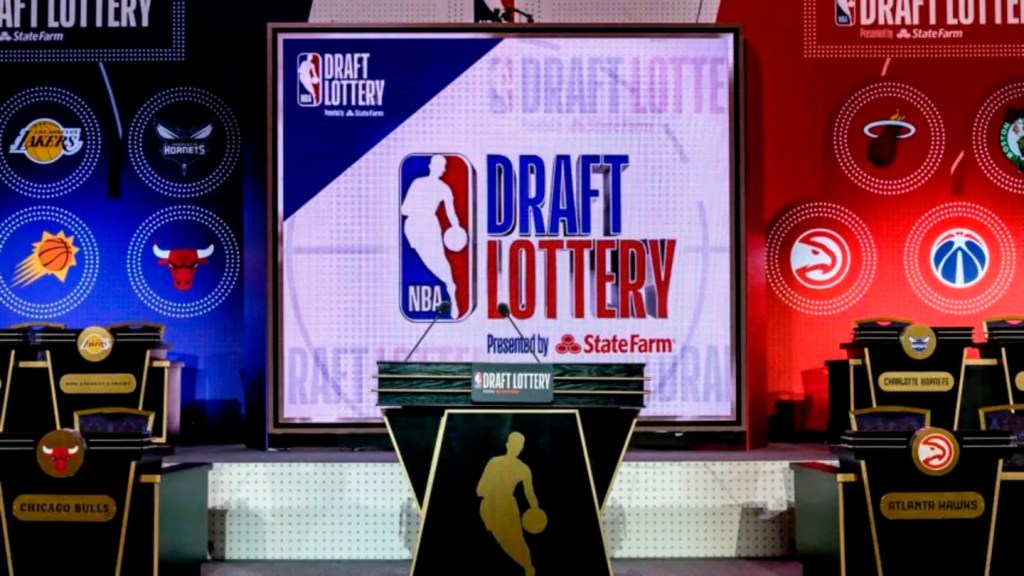
Despite the losses piling up, there was a sense of anticipation building around the franchise. The Suns were in prime position to land a top pick in the 2018 NBA Draft, a draft class that was touted as one of the most talented in recent years. The prospect of adding a potential superstar to the roster alongside Booker provided a glimmer of hope for the future. And when the Suns ultimately secured the No. 1 overall pick, the excitement reached fever pitch. They selected Deandre Ayton, a highly touted center from the University of Arizona, a player who many believed could be the missing piece of the puzzle.
The 2017-18 season was a difficult one for Suns fans, as the team’s deliberate lack of competitiveness was hard to stomach. However, the arrival of Ayton offered a glimmer of hope, a potential cornerstone for the franchise’s future. The tanking strategy, while painful, had served its purpose. The Suns now had two young stars to build around, and the future, for the first time in years, seemed bright.
2018-2019: A Season of Transition and Frustration
The 2018-19 season was a year of transition for the Phoenix Suns, as the team attempted to integrate Deandre Ayton into the fold and build a foundation for the future alongside Devin Booker. However, despite the optimism surrounding the young duo, the season was once again plagued by inconsistency and a lack of direction, ultimately culminating in another disappointing campaign.
The Suns entered the season with a new head coach, Igor Kokoškov, who brought a fresh perspective and a focus on player development. The roster also underwent significant turnover, with key additions like Trevor Ariza and Ryan Anderson intended to provide veteran leadership and stability. However, these moves failed to translate into on-court success, as the team struggled to find its identity and establish a consistent winning formula.
The Ayton-Booker partnership, while promising, was still in its early stages. Both players showed flashes of their potential, with Ayton showcasing his impressive athleticism and scoring ability, and Booker continuing to develop his all-around game. However, the team lacked the necessary supporting cast and cohesive structure to fully utilize their talents. The Suns’ offense often devolved into isolation plays, and their defense remained porous, leading to a series of frustrating losses.
Despite some promising moments, including a surprising victory over the eventual champion Golden State Warriors, the Suns finished with a disappointing 19-63 record, the worst in the Western Conference. The team’s struggles highlighted the ongoing challenges facing the franchise, as they searched for the right combination of players, coaching, and front-office leadership to turn things around.
The 2018-19 season, while ultimately a disappointment, served as another learning experience for the young Suns. Ayton and Booker continued to grow as players, and the team gained valuable experience that would hopefully pay dividends in the future. However, the frustration of another losing season was palpable, as fans and players alike yearned for a return to competitiveness.
2019-2020: The Light at the End of a Dark Tunnel
The 2019-20 season marked a turning point for the Phoenix Suns, a season where the franchise finally began to emerge from the shadows of its recent past. After years of mediocrity and failed attempts to rebuild, the Suns showed signs of life, offering a glimmer of hope for the future. While the season was ultimately interrupted by the COVID-19 pandemic, it laid the foundation for the team’s remarkable resurgence in the bubble and the subsequent Finals run.
The season began with a renewed sense of optimism, as the Suns made significant changes to their front office and coaching staff. James Jones, who had been serving as interim general manager, was officially named the team’s permanent general manager, bringing stability and a clear vision to the organization. The Suns also hired Monty Williams as their new head coach, a respected leader with a proven track record of developing young talent. Williams’ arrival brought a sense of accountability and structure to the team, instilling a winning culture that had been sorely lacking in recent years.
Despite a challenging start to the season, which included a 25-game suspension for Deandre Ayton, the Suns showed resilience and determination. They got off to their best start in years, exceeding expectations and demonstrating a newfound competitiveness. The team’s improved performance was a testament to the changes implemented by Jones and Williams, as well as the continued growth of Devin Booker and Deandre Ayton.
The season was abruptly suspended in March 2020 due to the COVID-19 pandemic, creating uncertainty and disruption for the entire league. However, the Suns had already made significant strides, posting their best record in five seasons at 26-39. The suspension, while unfortunate, provided an opportunity for the team to regroup and refocus, setting the stage for their remarkable run in the bubble.
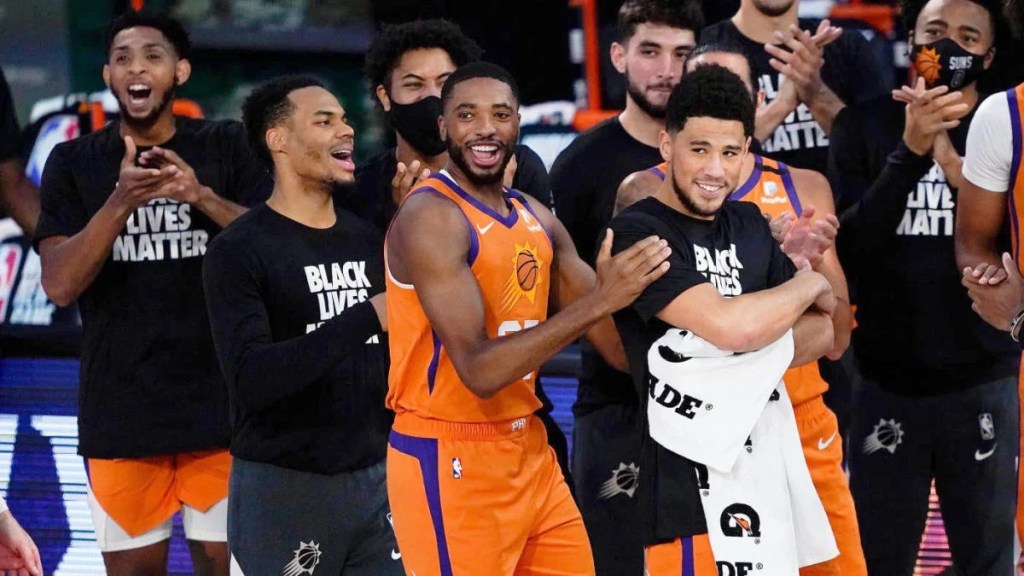
When the NBA season resumed in the Orlando bubble, the Suns were given a chance to fight for a playoff spot. Despite facing adversity, including injuries to key players like Kelly Oubre Jr. and Aron Baynes, and positive COVID-19 tests within the team, the Suns went on an improbable run. They won all eight of their seeding games, becoming the only undefeated team in the bubble and showcasing their incredible resilience and determination. Devin Booker, in particular, elevated his game to new heights, hitting clutch shots and leading the team with a fierce competitive spirit.
Sadly, despite their perfect record in the bubble, the Suns narrowly missed the playoffs, extending their postseason drought to a decade. The Memphis Grizzlies, who held the tiebreaker over Phoenix, secured the final playoff spot, leaving the Suns and their fans heartbroken. However, the team’s performance in the bubble provided a glimpse of their potential and ignited a sense of hope for the future.
The 2019-20 season was a pivotal one for the Phoenix Suns, a season that marked the beginning of their return to relevance. The arrival of Monty Williams, the emergence of Devin Booker as a true leader, and the team’s newfound resilience all contributed to a sense of optimism that had been absent for years. While the season ended in disappointment, with the Suns falling just short of the playoffs, it laid the groundwork for their remarkable turnaround, paving the way for their unforgettable journey to the NBA Finals.
2020-2024 – Post Depression Era
2020-2021: A Phoenix Rises – The Chris Paul Effect and a Return to Glory
The 2020-2021 season was a watershed moment for the Phoenix Suns, a season that saw the franchise emerge from the shadows of mediocrity and reclaim its place among the NBA’s elite. This resurgence, culminating in their first NBA Finals appearance in 28 years, was fueled by a combination of factors: the arrival of veteran leader Chris Paul, the continued growth of Devin Booker, a strong supporting cast, and a cohesive team culture fostered by coach Monty Williams.
The acquisition of Chris Paul in the offseason proved to be a game-changer. Paul, a seasoned veteran with a championship pedigree, brought not only his exceptional playmaking abilities but also a winning mentality and leadership that had been sorely lacking in Phoenix. He averaged 16.4 points and 8.9 assists per game, orchestrating the Suns’ offense with precision and poise. His impact on Devin Booker was particularly profound, as Booker evolved from a high-scoring guard to a more complete player, capable of leading the offense and making his teammates better. Paul’s leadership was instrumental in guiding the Suns to their first Pacific Division title since 2007.
But the Suns’ success wasn’t solely due to Paul. Devin Booker continued his ascent to superstardom, averaging 25.6 points per game and earning All-NBA First Team honors. Deandre Ayton made significant strides in his development, averaging 14.4 points and 10.5 rebounds per game, becoming a reliable presence in the paint. The supporting cast, featuring players like Mikal Bridges, Jae Crowder, and Cameron Payne, also played crucial roles, providing consistent defense, timely scoring, and a collective buy-in to the team’s winning culture.
The Suns’ on-court transformation was evident from the start. They played with a renewed sense of purpose and confidence, displaying a cohesive style of play that had been absent in previous years. Their offense flowed smoothly, orchestrated by Paul’s masterful playmaking and punctuated by Booker’s scoring outbursts. Their defense, anchored by Bridges and Crowder, showed marked improvement, with a greater emphasis on communication and effort.
The regular season culminated in a 51-21 record, the Suns’ best mark in over a decade and equivalent to a 58-win full season. This impressive performance earned them the second seed in the Western Conference and a spot in the playoffs, ending a ten-year postseason drought.
The Suns’ playoff run was nothing short of exhilarating. They navigated through a challenging Western Conference field, defeating the defending champion Los Angeles Lakers in six games, sweeping the Denver Nuggets, and overcoming the Los Angeles Clippers in six games to reach the NBA Finals.
In the Finals, they faced the Milwaukee Bucks, led by Giannis Antetokounmpo. The series was a hard-fought battle, with the Suns initially taking a 2-0 lead before the Bucks stormed back to win the championship in six games.
Despite falling short of the ultimate prize, the 2020-2021 season was a remarkable turnaround for the Phoenix Suns. They had transformed from a lottery team to a championship contender, proving that with the right combination of talent, leadership, and coaching, anything is possible. The season reignited the passion of Suns fans and set the stage for future success.
2021-2022: 64 Wins and a Crushing Defeat
The 2021-22 season began with sky-high expectations for the Phoenix Suns. Fresh off their NBA Finals appearance, the team was eager to prove that their success was no fluke and that they were legitimate contenders for the championship. With a talented roster led by the dynamic duo of Devin Booker and Chris Paul, and a strong supporting cast featuring Deandre Ayton and Mikal Bridges, the Suns seemed poised for another deep playoff run.
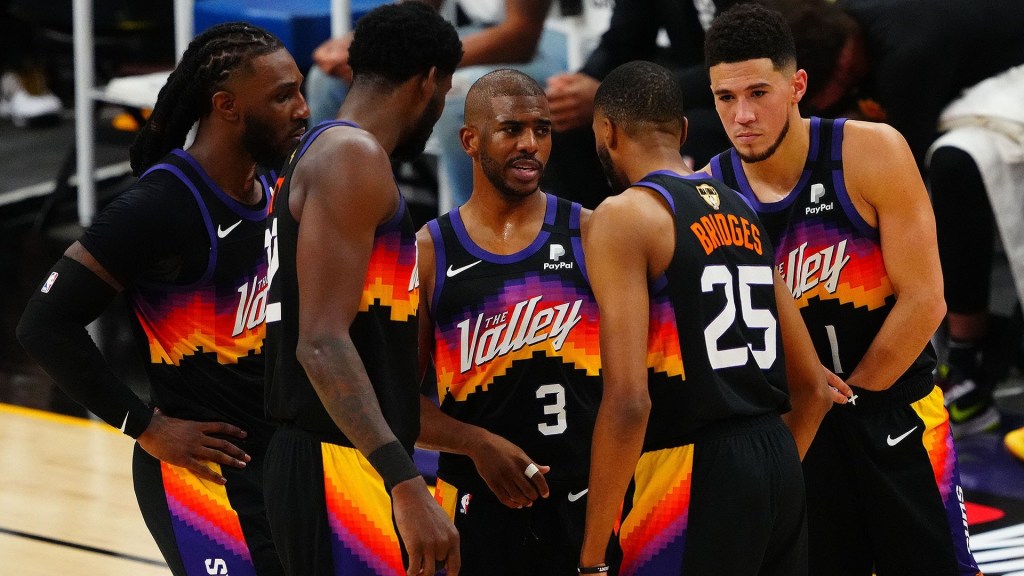
The Suns got off to a scorching start, winning 18 of their first 19 games and establishing themselves as the team to beat in the Western Conference. They continued their dominance throughout the regular season, finishing with a franchise-best 64-18 record, the best in the NBA. Devin Booker had a career year, averaging 26.8 points per game and earning All-NBA First Team honors. Chris Paul continued to orchestrate the offense with his masterful playmaking, while Deandre Ayton provided a steady presence in the paint.
However, despite their regular season success, doubts lingered about the Suns’ ability to replicate their playoff magic from the previous year. The Western Conference was stacked with talented teams, and the Suns knew they would face stiff competition in their quest for a championship.
Their playoff journey began with a hard-fought series against the New Orleans Pelicans. The Suns, despite facing a tough challenge from a young and hungry Pelicans team, managed to prevail in six games. However, the series took a toll on the team, as Devin Booker suffered a hamstring injury that would hamper him for the rest of the playoffs.
In the second round, the Suns faced the Dallas Mavericks, a team led by the young superstar Luka Dončić. The series was a back-and-forth affair, with both teams trading blows. The Suns, however, seemed to be running out of steam, and their offense, which had been so potent during the regular season, sputtered at times. In a shocking turn of events, the Mavericks dominated Game 7 in Phoenix, winning by a decisive 33 points and sending the Suns crashing out of the playoffs.
The Game 7 loss was a devastating blow for the Suns and their fans. After such a dominant regular season, the abrupt ending to their playoff run left a bitter taste. Questions arose about the team’s mental toughness, their ability to adjust to playoff intensity, and their reliance on Booker and Paul to carry the offensive load.
Despite the disappointing end to the season, the Suns had much to be proud of. They had achieved a franchise-record win total, showcased their talent on a national stage, and proven that they were a force to be reckoned with in the Western Conference. However, the crushing defeat in Game 7 served as a harsh reminder that regular season success does not guarantee playoff glory. The Suns entered the offseason with a renewed determination to address their weaknesses and build a team capable of overcoming the challenges of the postseason.
2022-2023: The Kevin Durant Gamble
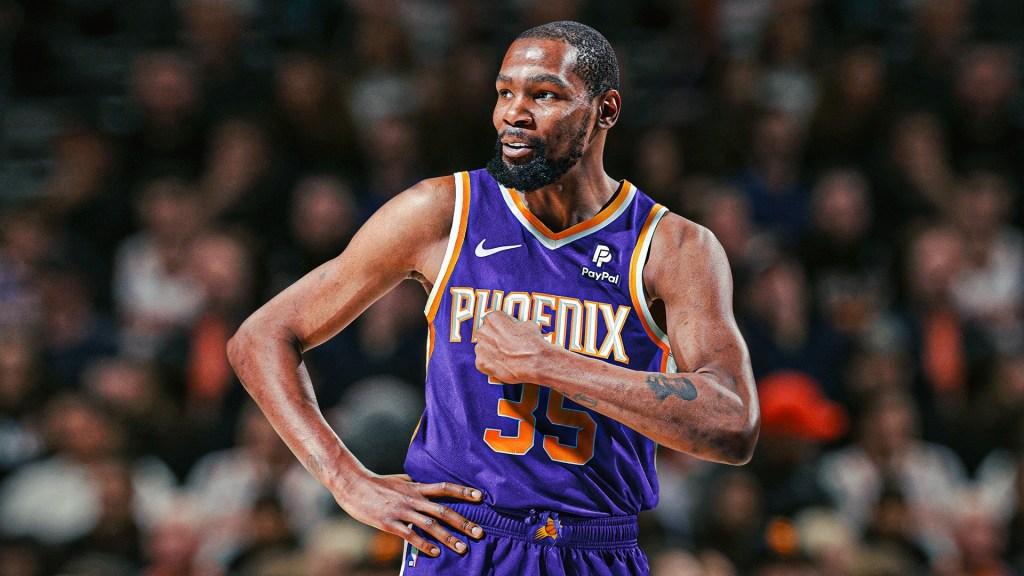
The 2022-23 season was a rollercoaster ride for the Phoenix Suns, marked by a blockbuster trade that sent shockwaves through the NBA. Still reeling from their disappointing second-round exit in the previous playoffs, the Suns’ front office decided to go all-in, sacrificing a significant portion of their future to acquire superstar Kevin Durant from the Brooklyn Nets.
The trade, which sent Mikal Bridges, Cam Johnson, Jae Crowder, four unprotected first-round draft picks, and a 2028 pick swap to Brooklyn, was a massive gamble. While Durant’s talent was undeniable, the Suns paid a steep price, gutting their depth and mortgaging their future. Bridges and Johnson, in particular, were fan favorites and key contributors to the Suns’ success, known for their defensive prowess, three-point shooting, and infectious energy.
The arrival of Durant, alongside Devin Booker and Chris Paul, created a formidable “Big Three,” generating excitement and raising expectations for a championship run. However, the trade also raised concerns about the team’s lack of depth and the potential for chemistry issues with a new superstar joining the mix.
The Suns’ season was further complicated by injuries and inconsistency. Chris Paul, who had been battling injuries in recent years, missed significant time, and the team struggled to find its rhythm without their veteran leader. Despite these challenges, the Suns managed to secure the 4th seed in the Western Conference, setting up a first-round matchup against the Los Angeles Clippers.
The series against the Clippers was a grueling battle, with both teams showcasing their championship aspirations. Durant and Booker put on a scoring clinic, but the Suns’ lack of depth and consistent play from their supporting cast proved to be their Achilles’ heel. The Clippers, led by Kawhi Leonard and Paul George, exposed the Suns’ vulnerabilities, ultimately winning the series in six games.
The Suns’ early exit from the playoffs was a bitter disappointment, especially considering the high expectations that came with the Durant trade. While Durant’s individual brilliance was evident, the team’s lack of cohesion and depth ultimately proved to be their downfall. The loss of Bridges, Johnson, and valuable draft picks raised questions about the long-term implications of the trade and whether the Suns had sacrificed too much in their pursuit of a championship.
The 2022-23 season was a gamble that didn’t pay off for the Suns. While the acquisition of Kevin Durant brought a surge of excitement and star power, the team’s lack of depth and chemistry issues ultimately led to their demise. The Suns entered the offseason facing uncertainty, with a depleted roster and limited resources to rebuild. The question now was whether they could find a way to maximize Durant’s prime and build a championship-contending team around him before it was too late.
2023-2024 – The Price of Ambition: The Suns’ Costly Pursuit of a Championship
The 2023-24 season was one of significant change and ultimately, disappointment for the Phoenix Suns. In their relentless pursuit of a championship, the front office doubled down on their “stars and scrubs” approach, making a series of win-now moves that ultimately backfired. The season began with a blockbuster trade that sent shockwaves through the league: the Suns acquired Bradley Beal from the Washington Wizards in exchange for Chris Paul, Landry Shamet, and a collection of future draft picks. While Beal was undeniably a talented scorer, his arrival signaled a clear shift in the team’s philosophy, prioritizing offensive firepower over veteran leadership and defensive stability. The loss of Chris Paul, the floor general who had been instrumental in the Suns’ recent success, proved to be a significant blow to the team’s chemistry and on-court execution.
Beyond the Beal trade, the Suns continued to reshape their roster, making a flurry of moves that brought in players like Jusuf Nurkić, Grayson Allen, and Nassir Little. These acquisitions were intended to bolster the team’s depth and address some of their weaknesses, but they also led to a significant loss of continuity and familiarity. The Suns’ roster became a patchwork of new faces, each with their own playing styles and expectations. This lack of cohesion was evident throughout the season, as the team struggled to find a consistent rhythm and establish a clear identity.
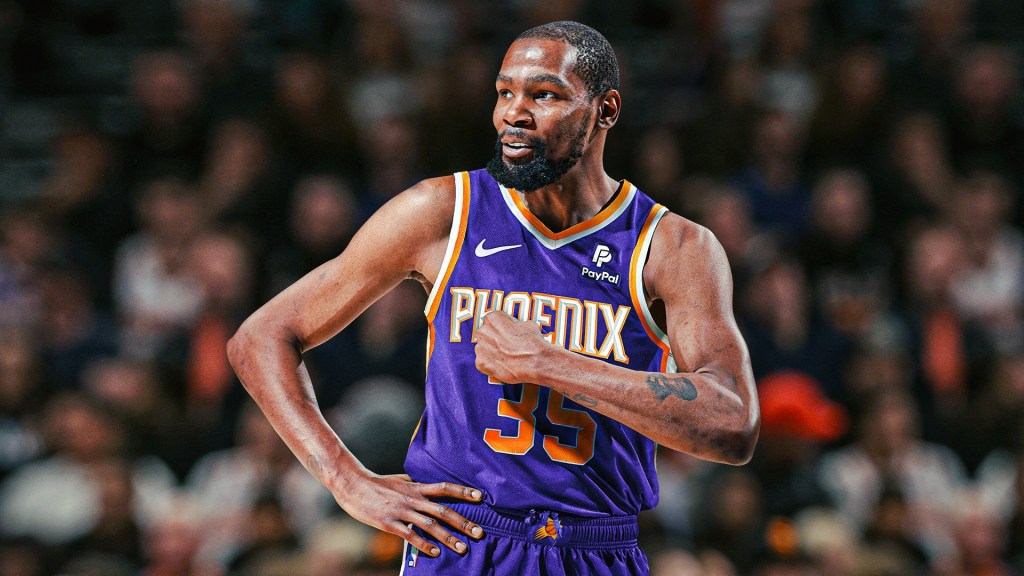
Despite boasting a starting lineup that included three All-Star caliber players in Durant, Booker, and Beal, the Suns struggled to consistently perform at a championship level. Injuries played a significant role in their inconsistent play, with Durant, Booker, and Beal all missing significant time throughout the season. The team’s over-reliance on isolation offense and lack of a cohesive defensive identity also hindered their progress. The Suns’ offense often devolved into stagnant possessions, with little ball movement or player movement, and their defense was frequently exposed by opposing teams’ ball movement and penetration.
The Suns finished the regular season with a respectable record, securing a playoff berth, but their performance was far from dominant. They entered the playoffs with a sense of uncertainty, and their early exit in the postseason confirmed their shortcomings. The team’s lack of depth and defensive vulnerabilities were exposed, highlighting the limitations of their roster construction. The Suns’ gamble on star power had failed to pay off, leaving them with a depleted roster and a diminished future.
The Suns’ aggressive pursuit of a championship in recent years has come at a significant cost. The trades for Durant and Beal have depleted their draft capital and weakened their depth, leaving them with limited resources to improve the team in the future. The Suns have essentially mortgaged their future for a chance at a title, and the early returns have not been promising. The team’s long-term success will depend on their ability to develop young players, find value in free agency, and hope that their star players can stay healthy. The 2023-24 season served as a harsh reality check for the Suns, exposing the flaws in their win-now strategy and raising serious questions about the franchise’s direction.
2025 – ? – A Dark Future
The Suns’ fall from grace is a complex tale of ambition, miscalculation, and perhaps, a touch of hubris. The franchise’s relentless pursuit of a championship, while understandable, has led them down a treacherous path, leaving them with a depleted roster, a barren cupboard of draft picks, and a fanbase teetering on the brink of despair.
The Suns’ current predicament is stark: five games behind the play-in tournament, with a roster constructed for immediate contention rather than sustained success. Fans are demanding changes, recognizing that the team’s “buy the best players available” strategy has backfired. The Suns’ focus on acquiring star power has come at the expense of depth, balance, and long-term flexibility. The team that reached the Finals in 2021, a team built on a foundation of chemistry, defense, and selflessness, has been dismantled in favor of a top-heavy roster that lacks the necessary ingredients for championship contention.
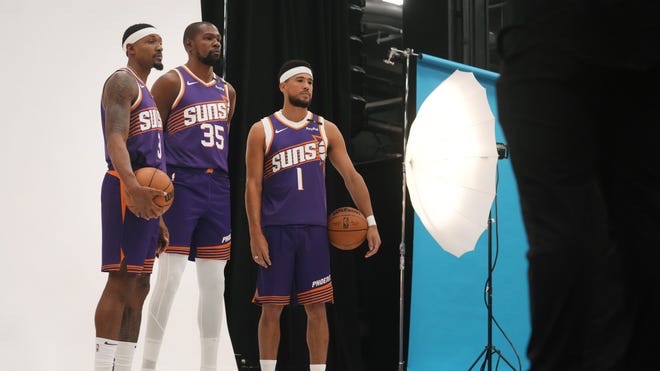
The Suns’ front office now faces a difficult reality. Kevin Durant, acquired at a steep cost, is reportedly unhappy and seeking a way out. Bradley Beal, with his hefty contract and no-trade clause, is virtually immovable. The Suns are stuck in a quagmire of their own making, with limited options to navigate their way out.
The path to recovery will be long and arduous. A complete rebuild, as painful as it may be, seems inevitable. The Suns must prioritize acquiring draft picks and developing young talent, even if it means sacrificing short-term competitiveness. They must also make difficult decisions regarding their current roster, potentially parting ways with key players to create financial flexibility and open up opportunities for younger players to develop.
The blame for the Suns’ downfall does not rest solely on one person’s shoulders. It is the culmination of decisions made by numerous owners, general managers, and head coaches, each contributing to the current predicament. Injuries have also played a role, disrupting the team’s continuity and hindering their progress. Ultimately, it is the fans who bear the brunt of these missteps, enduring years of frustration and disappointment.
Despite the bleak outlook, there is still hope for the Suns. The team boasts a talented young core, led by Devin Booker, who has expressed his desire to remain in Phoenix. If the Suns can surround Booker with the right pieces and create a culture of development and accountability, they can eventually emerge from this dark period and once again compete for a championship.
The road ahead will be challenging, but the Suns have shown resilience in the past. With patience, strategic decision-making, and the unwavering support of their fans, the Suns can rise again. The journey may be long, but the destination is worth striving for.


 Bear Sports News
Leave a comment