
In March 2022, baseball narrowly avoided catastrophe. A 99-day lockout—the second-longest in MLB history—finally came to an end after tense negotiations between the league and the MLB Players Association (MLBPA). With a new Collective Bargaining Agreement (CBA) in place, baseball resumed, but not without scars. Many assumed labor peace would hold until 2026, when the current deal expires. But quietly, ominous signs are beginning to reemerge. From financial disputes and service time manipulation to tensions over player treatment and expanded playoffs, the ingredients for another labor crisis are simmering beneath the surface.
Could MLB face another lockout in 2026? The short answer: yes. And if the league doesn’t learn from its past and address the growing divide between players and owners, it could be even messier than the last.
A Look Back: The 2021–22 Lockout
Before looking ahead, we need to revisit the most recent labor standoff. When the last CBA expired in December 2021, MLB owners unanimously voted to lock out the players, an aggressive move that halted free agency, team contact with players, and even access to training facilities. The core issues revolved around:
• Service time manipulation
• The luxury tax threshold
• Pre-arbitration bonus pools
• Revenue sharing
• Expanded playoffs
Ultimately, the players secured some wins: a higher minimum salary, the introduction of a $50 million bonus pool for pre-arbitration players, and slight improvements to revenue sharing. The league got its expanded 12-team postseason and advertising patches on uniforms. But much of the deeper resentment wasn’t solved, it was only delayed.
What’s in the Current CBA (2022–2026)?
The current agreement was meant to stabilize the game, but it may have only kicked the can down the road. Here are key elements of the deal that could spark future conflict:
• Luxury tax (CBT) thresholds increased, but not drastically—starting at $230 million in 2022 and reaching $244 million in 2026. Players argue this doesn’t keep pace with revenue growth.
• Minimum salary increases, but gradual and below expectations compared to other leagues.
• Draft lottery implemented, aiming to reduce tanking.
• No salary floor, something players have pushed for to encourage spending.
• Expanded playoffs, which generate owner revenue but may devalue regular season competition.
Both sides left the table in 2022 feeling like they didn’t get everything they wanted, meaning the next CBA is likely to be a battleground.
Why Another Lockout Feels Possible
1. The Continued Wage Gap
MLB revenues continue to soar. The league hit an estimated $11.6 billion in revenue in 2023, a new record. But average player salaries, particularly among non-superstars, haven’t kept pace. While top-end deals like Shohei Ohtani’s $700 million contract make headlines, the middle class of players is shrinking.
• The median MLB salary has declined over the past decade.
• More teams are leaning on pre-arbitration players to fill rosters.
• Analytics-driven front offices view aging players as depreciating assets—even after strong seasons.
The MLBPA has made it clear: wage suppression for young and mid-tier players is a growing concern. Without real change, it’ll be a major point of contention in 2026.
2. The CBT and Lack of a Salary Floor
While the competitive balance tax was raised slightly, it hasn’t discouraged teams from operating like there’s a hard cap. Teams like the Dodgers, Yankees, and Mets occasionally exceed it, but others use it as a de facto ceiling. Meanwhile, there’s still no minimum payroll requirement, which allows teams to tank and spend bare minimums.
This creates a two-tier league:
• High-payroll clubs competing annually
• Low-spending clubs pocketing revenue sharing money
Expect the MLBPA to once again push for either a soft salary floor or penalties for persistent tanking teams. But owners, particularly small-market ones, will resist, potentially leading to a standoff.
3. Service Time and Free Agency
The Kris Bryant saga in 2015 remains a symbol of how service time manipulation can affect careers. Under the current system:
• Players must accrue six full years of service time to reach free agency.
• Teams can delay a call-up by a few weeks and effectively gain an extra year of control.
While the new CBA introduced incentives for promoting top prospects (such as extra draft picks), manipulation still happens. Players want either earlier free agency access or fewer years of control—both of which owners are unlikely to agree to.
4. TV Deals and Revenue Transparency
As streaming and cord-cutting alter the media landscape, regional sports networks (RSNs) are collapsing. Bally Sports and AT&T SportsNet have faced major setbacks, leaving teams scrambling for TV solutions.
• MLB has stepped in to produce some local broadcasts (e.g., Padres and Diamondbacks).
• Revenue from TV deals isn’t always transparent, leading to distrust among players.
The MLBPA may push for more financial transparency from owners in 2026 negotiations, especially as revenue models shift from traditional RSNs to direct-to-consumer platforms like MLB.TV.
5. Expanded Playoffs: Double-Edged Sword
The 12-team postseason has been profitable for MLB. But players worry it encourages front offices to aim for “just good enough” instead of fielding championship-caliber rosters.
• More playoff teams = less incentive to spend big in the offseason.
• Owners love the extra postseason revenue.
• Players fear a lower bar for success devalues regular season performance.
The players may resist further expansion—and even try to negotiate tweaks to prevent low-spending playoff teams from becoming the norm.
The New Generation of Players: Louder and More Informed
Today’s MLB players are more outspoken, more engaged in union activity, and less willing to accept the status quo than previous generations.
• Max Scherzer, a key figure during 2021–22 negotiations, was unapologetically vocal.
• Andrew Miller, Marcus Semien, and others stepped into leadership roles.
• The next generation (led by voices like Mookie Betts and Corbin Burnes) could carry the torch into 2026.
There’s a cultural shift happening, players aren’t afraid to call out ownership publicly. That level of engagement could lead to firmer union stances, potentially resulting in a more prolonged battle.
What Could Prevent a Lockout?
While the signs point toward another labor clash, it’s not inevitable. Here’s what could help avoid it:
1. Early Negotiations
In 2021, negotiations began late and dragged into the winter. If both sides agree to begin talks in 2025, there’s a chance of avoiding the same drama. Early negotiations could create time to compromise without pressuring the calendar.
2. Player Revenue Sharing or Media Deals
If MLB offers players a percentage of streaming revenue or profit-sharing model for new TV deals, it might ease tension. But owners would have to open their books, something they’ve resisted.
3. Changes to Arbitration and Free Agency
Tweaks to the arbitration process, such as earlier eligibility or more bonus incentives for young stars, might satisfy players without overhauling the entire system. A compromise on years of control, perhaps reducing it from six to five, could be on the table.
The Public Perception Battle
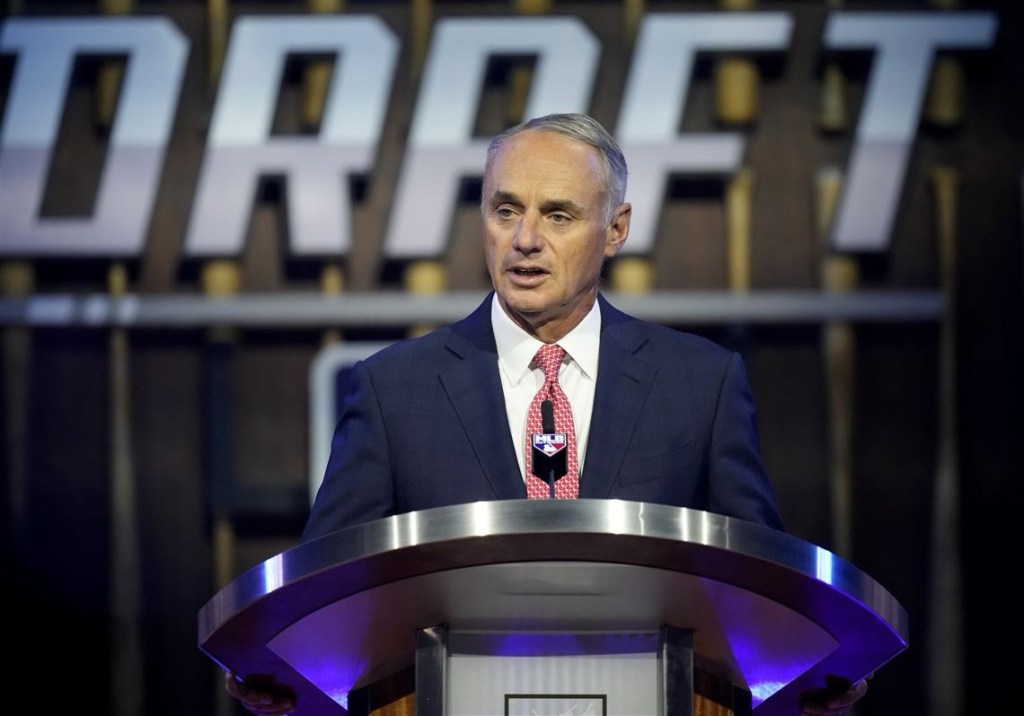
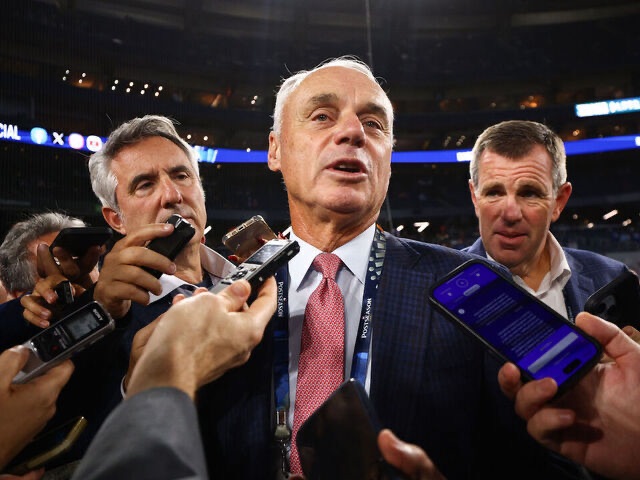
During the last lockout, MLB Commissioner Rob Manfred made statements that drew criticism, including calling the World Series trophy “a piece of metal.” Players, including Justin Turner and Trevor Bauer, called him out.
This time around, public support could be a powerful tool. If players successfully frame the battle as one of fairness and opportunity (especially for younger guys), the fans may side with them. But if the league paints players as greedy during billion-dollar disputes, public opinion could shift.
And MLB knows that losing games = losing fans—especially at a time when it’s finally gaining momentum with younger audiences, rule changes, and dynamic stars like Elly De La Cruz and Bobby Witt Jr.
Final Thoughts: The Clock Is Ticking
As 2026 creeps closer, both sides face mounting pressure. Owners want to protect profits and maintain control. Players want a fairer system that rewards performance, encourages competitiveness, and reflects the league’s record revenues.
The next two years will be critical. If negotiations begin early and are approached in good faith, another lockout might be avoided. But if the same old tactics and grievances resurface, we could be staring down another cold winter without baseball.
MLB has a choice: evolve with its players—or risk another labor war.


 Bear Sports News
Leave a comment