
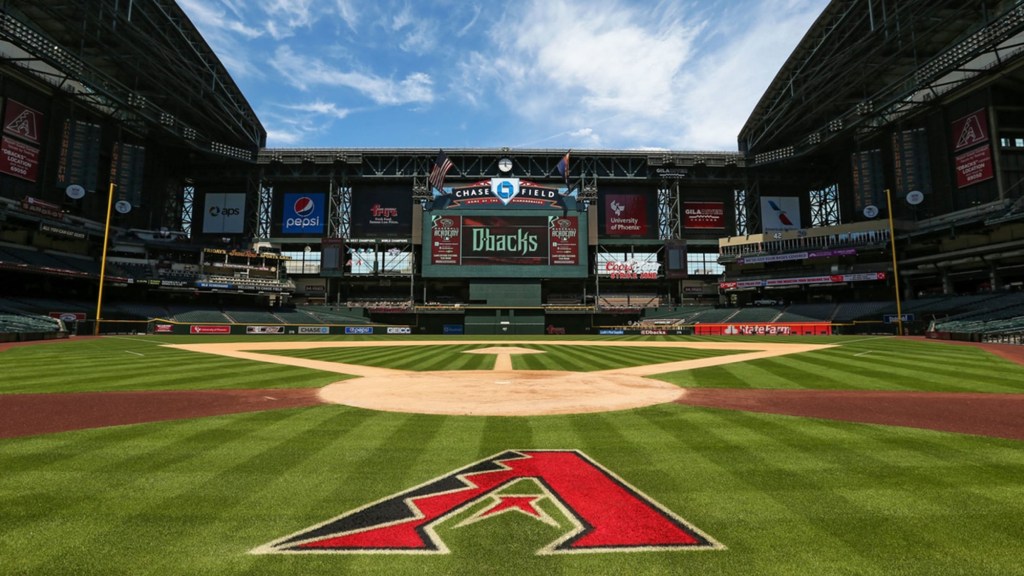
After a marathon legislative session filled with multiple readings and spirited debate, Arizona’s State Senate finally passed HB 2704 at approximately 10:20p.m. Lawmakers offered explanations with a lighthearted, almost Dr. Seuss–style flair, outlining their votes. The bill now advances to the House for first reading on Monday.
Since January, the Arizona Diamondbacks have been lobbying for a financing mechanism for Chase Field renovations. Similar to the funding structure used by the Cardinals in Glendale. Specifically, the plan involves capturing a portion of sales taxes generated from in-stadium purchases, along with income tax from employees (including players), to create a dedicated renovation fund. Importantly, this isn’t about increasing taxes but redistributing existing revenue tied to stadium activity.
The D‑backs initially proposed that employee income taxes also feed into the fund; however, that language was later removed for City of Phoenix and public safety-related taxes.
Evolving Bill: Caps, Penalties, and Added Support
Over six months of negotiations, lawmakers worked to strike a balance between supporting the team and safeguarding taxpayers. The key changes include:
- Caps on public investment: The total public contribution is capped at $500 million, matching the Diamondbacks’ pledged private investment (at least $250 million) toward the estimated $400–500 million renovation cost.
- County’s share equal to city’s: Amendments ensure Maricopa County contributes at least as much as Phoenix.
- Penalties to deter relocation: If the D‑backs leave Arizona before 2050, they face financial penalties.
- Preserving key public finances: Taxes allocated to schools, jails, and public safety are explicitly shielded from redirection.
What Will the Money Pay For?
The renovation fund has a clear directive: it will cover critical upgrades to Chase Field such as:
- New video boards
- A modern HVAC system
- Updated club seating
- Essential behind‑the‑scenes improvements: plumbing, electrical, concrete, and structural repairs
These are widely regarded as overdue enhancements. As one Reddit user put it:
“I’ll gladly pay extra to have a functioning AC in there. … I’m always sweating my ass off in there.”
According to MLB.com, the team estimates tax recapture to generate $15–20 million annually, enough to sustain phased renovation alongside their private investment of $250–300 million.
The first phase will tackle the HVAC system, long criticized for struggling in Phoenix’s heat. Later phases will address seating, video boards, and systems upgrades.
Opposition from Local Officials
The bill has not been without its critics. Phoenix Mayor Kate Gallego has voiced concerns about how the city’s general fund. Especially its public safety budget, saying that it might be impacted. She noted the city could lose roughly $200 million over 30 years in redirected tax revenue:
“Two‑thirds of Phoenix’s general fund supports public safety. … not used to pay for subsidies for those at the very top.”
From the public, Reddit user debate reflects mixed reactions, some applaud the AC fix, while others view it as undue corporate welfare:
“What happens if the expected tax revenues don’t live up to expected levels… Who makes up the shortfall?”
Bipartisan Momentum & Governor’s Support
Despite local opposition, HB 2704 has garnered bipartisan support:
- The House passed it 35–25 in February.
- In March, amendments were approved in the Senate Finance Committee.
- Gov. Katie Hobbs has indicated her support, contingent on resolution of key issues. She said she’s “really hopeful that the points of disagreement…can get worked out” and would not veto the bill simply because Phoenix objects.
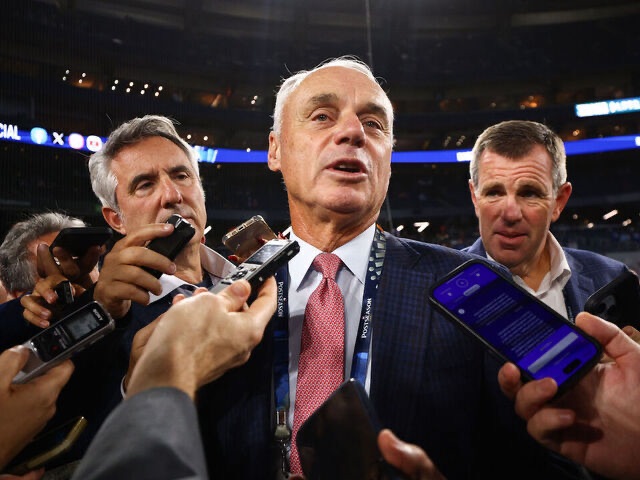
As MLB Commissioner Rob Manfred put it:
“It does not involve new taxes; it’s just a redirection of tax dollars… I remain hopeful that the bill passes and secures the future of the Diamondbacks in that facility.”
Why Stay at Chase Field?
Chase Field, owned by Maricopa County since its 1998 opening, is one of MLB’s original retractable-roof stadiums and hosts a wide array of downtown events (concerts, college sports, even bull riding). Keeping it operational prevents the franchise from relocating and maintains the economic vitality of downtown Phoenix.
Lease negotiations are pressing: the current County pass-through ends in 2027. If funding isn’t secured, the Diamondbacks face a difficult decision about their future location.
Next Steps
With Senate approval behind it, HB 2704 heads to the House for first reading on Monday. From there, lawmakers may vote to pass it, potentially sending it to Gov. Hobbs’ desk, who is expected to sign by mid‑week, barring last-minute pushback.
Arizona Senate President Warren Petersen told KTAR:
“The governor is on board with it, and I believe we’ve got support… We’ll have the votes in the House and the Senate. … It’ll be a separate bill that will move along with the budget.”
If all goes as proponents anticipate, HB 2704 could be in effect by mid‑next week.
A Milestone for Arizona Sports
The passage of HB 2704 would be a critical step toward preserving the Diamondbacks in Phoenix, keeping Chase Field at a competitive standard, and securing downtown economic growth. It comes at a noteworthy moment—while other states like Utah and Nebraska are actively seeking Major League teams, Arizona has the chance to retain its franchise right where fans love it.
D‑backs president Derrick Hall summed it up on June 12:
“We’re trying to fix a public asset that we don’t even own so that we can stay downtown … renovate it and modernize it to the level that our fans deserve.”


 Bear Sports News
Leave a comment