There’s a bit of chaos in the sports media world right now. If you’ve been trying to figure out what happened to the regional sports networks you used to rely on to watch your local baseball, basketball, or hockey teams, you’re not alone. For years the way we watched local games was pretty simple: you got your cable or satellite package, you flipped to your regional sports network, and there it was. That old model is unraveling fast and the latest wave involves the FanDuel Sports Network, a group of regional feeds formerly tied to Bally Sports through Diamond Sports Group and now under Main Street Sports Group.
At first glance it might just seem like another media rights story. But the way this is playing out tells you something bigger about how live sports, money, and media are colliding in a world where streaming and direct-to-consumer options are suddenly the big thing and traditional cable doesn’t have the pull it once did. Teams, leagues, broadcasters and even fans are feeling the impact and it’s changing how we watch our favorite teams.
Let’s start with the big news on the baseball side of things. In early January, nine Major League Baseball teams walked away from their local broadcast agreements with FanDuel Sports Network’s parent company Main Street Sports Group. These agreements had been the lifeblood of local telecasts for teams including the Atlanta Braves, Cincinnati Reds, Detroit Tigers, Kansas City Royals, Los Angeles Angels, Miami Marlins, Milwaukee Brewers, St. Louis Cardinals, and Tampa Bay Rays. One day there was a contract, and the next teams were announcing they were done with it because they were uncomfortable continuing with a partner that had clearly been struggling financially.
To understand why this matters so much, a little context helps. Regional sports networks like the ones FanDuel is operating have been through a real shakeup over the past decade. They were once a reliable source of local game broadcasts and a big chunk of revenue for teams. But as cable subscriptions have declined and streaming has taken over, these networks have lost leverage. A ton of rights deals were tied up in bankruptcy or restructuring when Diamond Sports Group, which used to run Bally Sports networks, went through Chapter 11. Out of that bankruptcy came Main Street Sports Group and the FanDuel Sports Network name, but it hasn’t exactly been smooth sailing ever since.
For MLB teams on FanDuel’s platform, the tension came to a head last month when the company missed a rights payment to the St. Louis Cardinals and also failed to make its December payment on time to the Miami Marlins, among others. That kind of financial uncertainty in an industry that relies on guaranteed revenue is a big red flag for any club. Teams don’t want to be left holding the bag in case their broadcast partner collapses or defaults again. So many decided to pull the plug on their deals now rather than wait and see what happens.
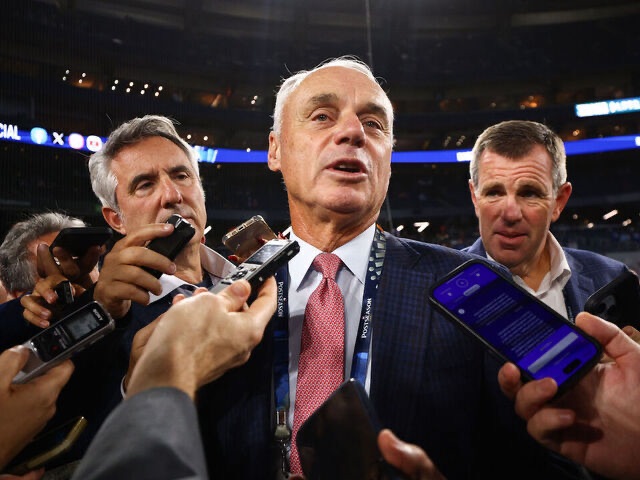
Commissioner Rob Manfred stepped into the spotlight shortly after the cancellations were reported. He made it clear that Major League Baseball is ready to step in and produce local broadcasts for any club that needs coverage. MLB already has infrastructure in place for this after taking over games for six teams whose previous providers failed to meet obligations in recent years. Manfred’s message was the same both times he spoke on the matter fans will still get to watch games, no matter who ends up distributing them.
So what does that look like for fans? In practical terms it could mean games move away from the familiar regional network model and instead show up under new MLB-managed platforms. Teams that have already seen MLB take over broadcasts have used the league’s Local Media division to handle distribution through cable deals and streaming via MLB.tv or related services. Fans might need a new app, a subscription, or just a slightly different channel lineup depending on how distribution deals shake out. But the hope from the league’s perspective is to provide both stability for clubs and quality coverage for viewers.
And the fallout isn’t just in baseball. FanDuel Sports Network long had rights to NBA and NHL regional feeds as well, stretching across a couple dozen pro basketball teams and half a dozen hockey franchises. Those leagues have also been monitoring payments from Main Street, with some reporting that rights fees have been late or under threat of default. It’s not quite as public yet, but the risk to local NBA and NHL broadcasts is very real if the network can’t stabilize or find a buyer.
There were rumors toward the end of last year that streaming services like DAZN were negotiating to buy the Main Street Sports network or that other bidders could come in, which might have given teams more confidence that their broadcasts would continue uninterrupted. But as of early January those talks appear to have faltered. That leaves teams relying on MLB or searching for new partners rather than staying put.
What makes the Nationals’ situation especially interesting is that they’ve taken a slightly different path. After years of a contentious relationship with the Mid-Atlantic Sports Network, where they shared rights with the Baltimore Orioles and often felt shortchanged, the Nationals struck a deal with MLB Local Media to produce and distribute their own games for the 2026 season. For Nats fans that means games will be available through a new “Nationals.TV” platform, both over cable and streaming. It’s a fresh start and a break from two decades of MASN broadcasts, and it shows another way teams are rethinking their media strategy going forward.
All of this points to a larger trend: the old regional sports network model is losing its grip. Cord cutting, streaming, direct-to-consumer services, and consolidation of rights under league control are changing how local games are bought and sold. If you look at how MLB has already stepped in to manage broadcasts for teams that lost their RSNs, it feels like we’re in a transition period where leagues are testing new ways to package and distribute content that fans still want but through channels that make more financial sense in 2026.
For fans, the immediate questions tend to be simple. Will I still be able to watch my team next season? How much will it cost? And where do I go to watch a game now that my old channel might be gone? Right now answers vary by team, but the broad answer from the league is yes games will still be available, and MLB is doing its best to make sure of that. At the same time broadcasters, streaming platforms, and even the teams themselves are all trying to navigate an uncertain media landscape that’s evolving faster than most of us expected.
The race to build a stable, modern system for live local sports is underway. Figuring out what sticks will be one of the more fascinating stories in sports media over the next few years.

 Bear Sports News
Leave a comment